
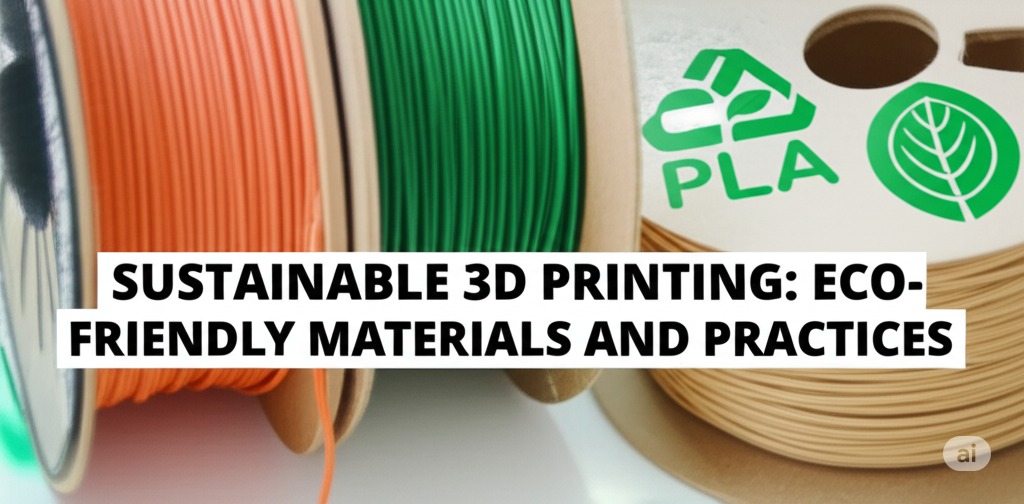
Sustainable 3D Printing: Eco-Friendly Materials and Practices
Sustainability in 3D printing is becoming increasingly important as the technology becomes more widespread. This guide explores how to make your 3D printing practice more environmentally friendly.
Eco-Friendly Materials Several sustainable materials are now available for 3D printing: - Recycled PLA - Biodegradable materials - Plant-based filaments - Recycled PETG
Energy Efficiency Tips for reducing energy consumption: - Optimize print settings - Use appropriate infill patterns - Print multiple objects simultaneously - Maintain your printer regularly
Waste Reduction Strategies for minimizing waste: - Proper support structure design - Material recycling - Failed print reuse - Efficient slicing
Sustainable Practices Additional steps you can take: - Use renewable energy sources - Implement proper ventilation - Choose local suppliers - Share resources with the community
By adopting these practices, you can significantly reduce the environmental impact of your 3D printing activities.